
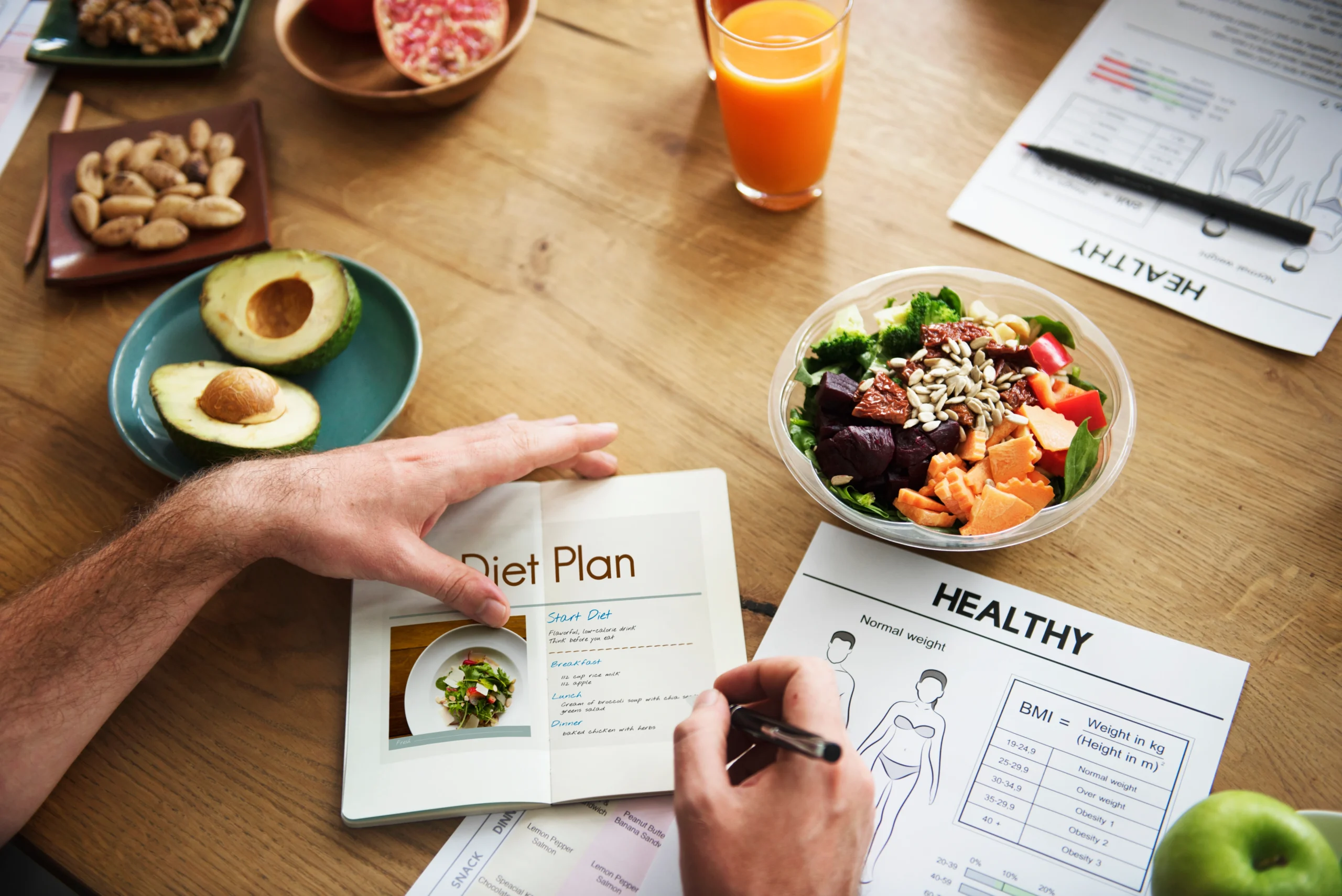
Healthy Meal Planning: The Structure of Better Diet With No Stress.
The idea of planning meals has been perceived as the complicated structure that should be adopted only by the people who follow the fitness regime, yet the truth is that it is among the easiest methods to enhance the quality of food and minimize the level of stress in their daily life. Most of the poor eating habits are not due to the desire of people to eat badly but because they are not organized and they make their decisions at the last minute. In nonplanned meals, individuals decide to take convenience food, forget nutrition or eat too much too late. Learning healthy meal planning lets one eat healthily without feeling compelled and bewildered.
One of the advantages of meal planning is that decision fatigue is minimized. The brain is tired, and people can choose dozens of things per day, and food is one of the items that are more difficult to handle. By putting in place meals, the hassle of having to decide on what to eat on a daily basis is greatly cut. This translates into an increased consistency, decreased snacking and healthy selections. Meal planning is not perfection it is minimization of confusion and enhancement of stability.
Nutrition balance is enhanced through meal planning. When individuals prepare meals, they do so deliberately and with more purpose, that is, they have vegetables, proteins, and healthy carbs in them. Unless the meals are planned, they tend to be carb-based or snack-based. Balanced planning enhances the amount of fiber, reduction of sugar reliance, and digestion. The body is more stable and the energy is less fluctuating.
Making meal plans also promotes the management of portions. When the food is prepared consciously, the portion size is easier to control. Most of the overeating habits occur because of ordering food or eating directly out of a huge container. Preparing meals helps to promote purposeful service and conscious consumption. This in the long term lessens pain and enhances health management.
Cost awareness and minimised wastes is another significant benefit. In planning meals family members purchase what they require and deny themselves the run-of-the-mill last minute shopping. This saves money, eliminating food waste and does not compromise nutrition. It promotes healthier house holding habits as well. Planning meals is more affordable than costly, as far as healthy living is concerned.
Meal planning also minimizes emotions eating habits. Unpredictable meals also cause hunger to be very high and individuals can opt to eat high-sugar foods as a way of getting instant gratification. Scheduled meals help avoid extreme levels of hunger. Emotional eating decreases automatically when hunger is stable. Planning facilitates emotional stability, as it helps in maintaining physical stability.
Meal planning also helps in consistency of the busy days. Food habits are usually interrupted by travel, work pressure and commitments to family. Planning enables one to eat healthier even when he or she is on a busy schedule. It will decrease reliance on fast foods and packaged snacks. Form helps to maintain stability even in the disorder.
Finally, meal planning is not a hard-and-fast diet program and is a convenient life-style aid. It eliminates stress, eats better, and fills healthier habits without stress. Individuals have confidence and clarity in what they eat when planning the meal. Form brings in liberty, not coercion. Awareness is more likely to guide the meals to be healthy.